

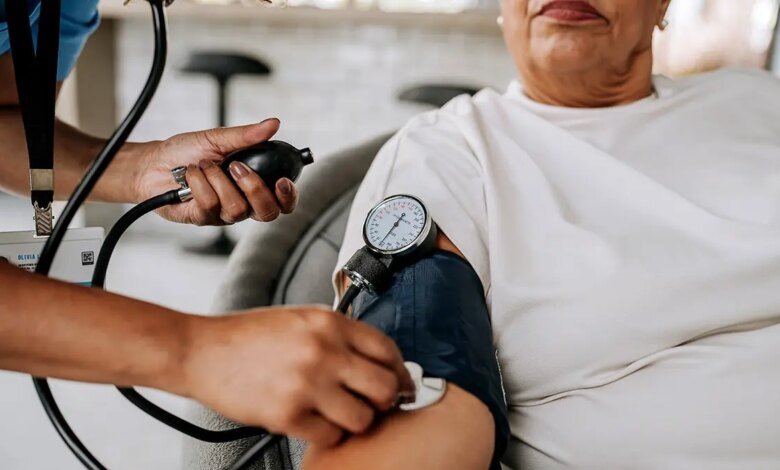
Spironolactone after stroke helped more survivors reach their blood pressure goal in a new trial, suggesting a low-cost water pill could help people whose numbers stay high despite treatment. Researchers presented the REDUCE trial results at the American Heart Association’s Scientific Sessions, held November 6 to 9, 2026, in Chicago.
What did the REDUCE trial test?
It tested whether adding spironolactone, a medication often called a water pill, to regular care could bring down blood pressure in people who have had a stroke.
Participants were divided into two groups. One group added spironolactone to its existing treatment, while the other stuck with usual post-stroke care. Everyone tracked their blood pressure at home for six months so researchers could compare the two approaches.
How much did blood pressure drop?
By the three-month mark, the top number averaged about 126 in the spironolactone group, versus about 133 for those on usual care. That is a gap of nearly eight points.
Researchers found that adding spironolactone to regular post-stroke care helped lower blood pressure more than usual treatment alone. (iStock)
More people also hit the recommended target of under 130/80 with the added medication. That goal was reached by 52% of the spironolactone group and 30% of the usual-care group.
Why does blood pressure matter after a stroke?
Keeping blood pressure down is the key step in lowering the odds of another stroke, yet many survivors have trouble reaching their targets. Study co-lead author Dr. Jordana Cohen, an associate professor of medicine and epidemiology at the University of Pennsylvania, said the meaningful drop seen with the drug may reduce the risk of future strokes and heart attacks.
Does it actually prevent another stroke?
Not yet proven. Dr. Alfred Joshua, a California-based board-certified emergency physician and former chief medical officer who was not part of the research, called the results encouraging but cautioned against reading too much into them.

Researchers found that 52% of patients taking spironolactone reached the recommended blood pressure goal, compared with 30% receiving usual post-stroke care. (iStock)
Joshua noted that doctors already know blood pressure control cuts the chance of a repeat stroke. This study measured blood pressure, though, so whether the drug leads to fewer repeat strokes remains an open question.
What are the safety concerns?
Potassium is the main one. According to the U.S. National Library of Medicine, spironolactone helps the body shed extra salt and water, which lowers blood pressure. It also makes the body hold on to potassium, and the drug’s prescribing information says patients need their levels checked.
Joshua said high potassium can develop without any symptoms, and the risk may be higher for people with kidney problems, those on certain other medications and those taking potassium supplements. The drug can also push blood pressure low enough to cause dizziness.
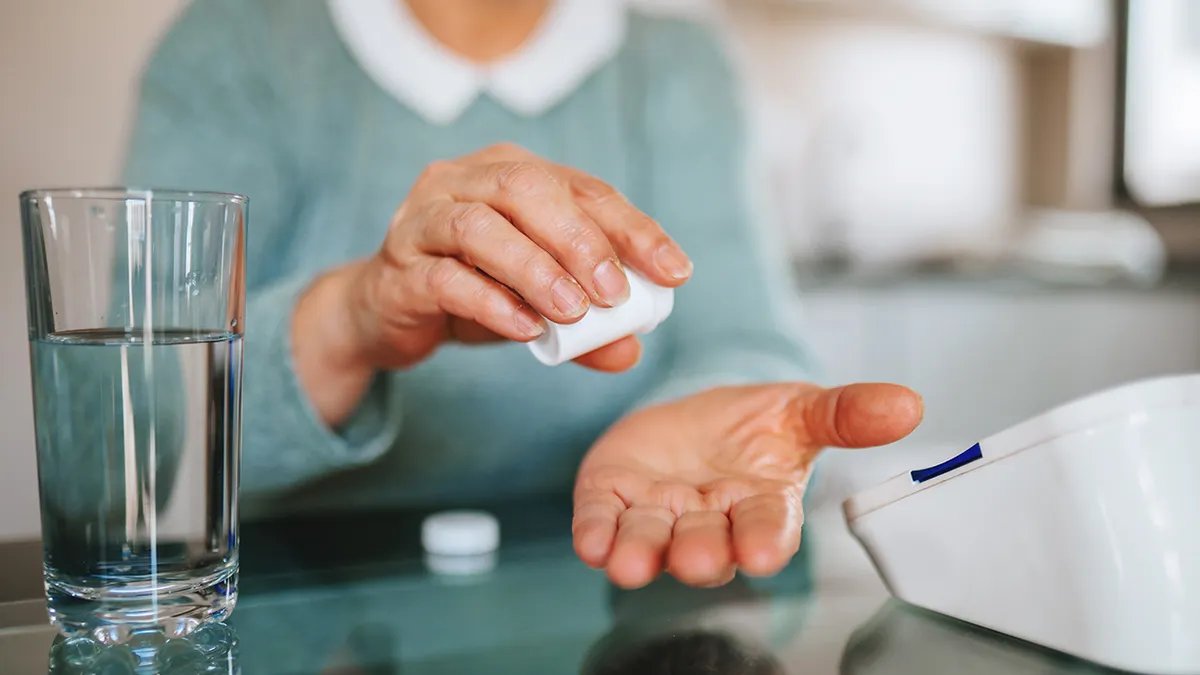
Spironolactone helps the body eliminate excess salt and water, which can lower blood pressure in patients who need additional treatment. (iStock)
What should stroke survivors do now?
Talk to a clinician before changing anything. Joshua’s advice is to bring your home blood pressure readings to your appointment if your numbers are still high after a stroke, and ask whether this medication is a good fit for you.
What are the study’s limits?
The trial stopped early with 160 participants rather than the planned 200. About 15% lacked blood pressure readings at three months. People on spironolactone were also taking slightly more blood pressure medications overall than those on usual care.
The study was not built to show whether the drug prevents another stroke or heart attack. The researchers said larger, longer studies are needed to answer that.
Key Takeaways
- Adding spironolactone lowered the top blood pressure number by nearly eight points at three months.
- 52% of the spironolactone group reached the under 130/80 goal, versus 30% on usual care.
- The trial did not test whether the drug prevents repeat strokes or heart attacks.
- Potassium levels need monitoring, and dizziness is possible.
- Ask your clinician before starting it, and bring home readings.
Frequently Asked Questions
What is the REDUCE trial?
It is a study of whether adding spironolactone to usual care helps lower blood pressure after a stroke. Results were presented at the American Heart Association’s Scientific Sessions in Chicago.
How many people reached the blood pressure goal?
About 52% of those taking spironolactone reached under 130/80, compared with 30% receiving usual care.
Is spironolactone proven to prevent another stroke?
No. The study measured blood pressure, not repeat strokes, and the researchers say larger and longer studies are needed.
What are the main risks?
High potassium is a key concern and can occur without symptoms. The drug can also cause dizziness by lowering blood pressure too far.
Source: Fox News Digital.
